6 Myths About Acupuncture We Hear All the Time (And What’s Actually True)
6 Myths About Acupuncture We Hear All the Time (And What's Actually True)
Quick answer: Acupuncture used by physiotherapists isn't the same as spa-style acupuncture, it isn't painless but it isn't intensely painful either, and it works best combined with, not instead of, physiotherapy. Here's what's true and what's myth.
Ever winced at the idea of needles? Or wondered whether acupuncture is "real" medicine or something a bit more woo-woo?
You're not alone. It's one of the most misunderstood treatments we offer at our physiotherapy clinic in Ayrshire, and one of the most effective, when it's used the right way, by the right people.
At Physioflexx, acupuncture isn't a stand-alone therapy or an "alternative" to physiotherapy. It's a tool our physiotherapists use within your treatment plan, alongside manual therapy, exercise rehab, and Pilates - to help you recover faster and manage pain more effectively.
Let's clear up some of the confusion.
Myth 1: "Acupuncture and physiotherapy are two different things - you have to choose."
This is the biggest misconception we hear.
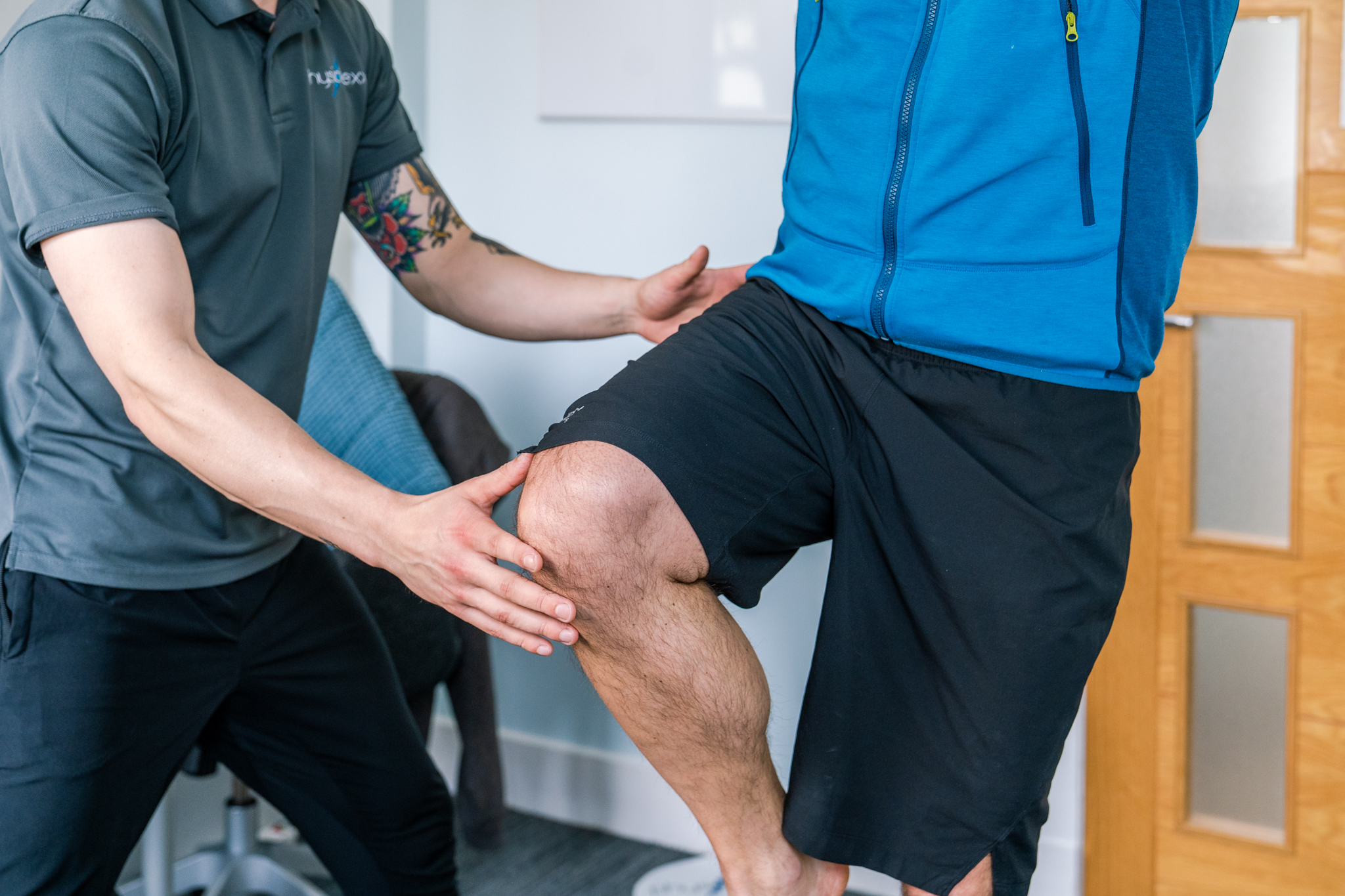
Acupuncture isn't a competing treatment to physiotherapy - it's often part of the same session. When one of our physiotherapists uses acupuncture, it's based on the same assessment that shapes the rest of your treatment plan.
It might be combined with:
Soft tissue work
Exercise prescription
Joint mobilisation
All in a single appointment, all aimed at the same goal: getting you moving and out of pain.
You're not choosing between "physio" and "acupuncture." You're getting a physiotherapist with an extra tool in the kit.
Myth 2: "It's the same as the acupuncture you'd get at a wellness spa."
Not quite. The style matters.
Traditional Chinese Medicine (TCM) acupuncture is rooted in concepts like energy flow and meridians.
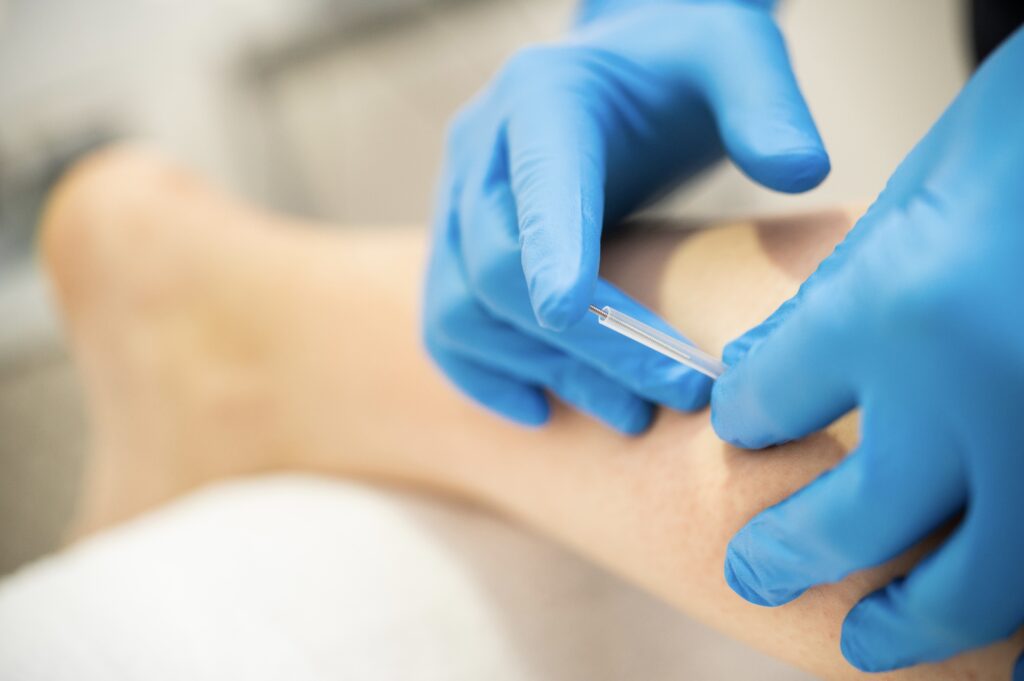
Western (medical) acupuncture - sometimes called dry needling, is what our physiotherapists practise. It's grounded in anatomy, neurophysiology, and pain science.
In plain terms: we target trigger points, muscle tension, and nerve pathways relevant to your specific injury, based on a musculoskeletal diagnosis, not a general energy assessment.
It's a clinical technique, delivered by a physiotherapist who already understands exactly what's going on with your body.
Myth 3: "It's not evidence-based - it's basically a placebo."
Understandable, given how differently acupuncture is marketed depending on where you go.
But the version used in physiotherapy has research behind it, particularly for musculoskeletal pain. It's understood to work by:
Stimulating the nervous system's natural pain-relief response
Reducing localised muscle tension around trigger points
It's not a miracle cure, and we'll never present it as one. Like any treatment, it works best alongside movement and rehab, not as a one-off fix. But dismissing it as "just placebo" doesn't reflect how it's actually used in modern MSK practice.
Myth 4: "It's going to hurt - probably a lot."
This is usually the biggest emotional barrier, so let's be upfront: yes, you'll feel something.
Most people describe it as:
A dull ache
Slight cramping
A light twitch when the needle reaches a tight muscle band
Not sharp pain. The needles used are extremely fine, far thinner than the ones used for injections or blood draws.
Your physiotherapist will always explain what to expect before starting. You're in control throughout, if something feels wrong, you say so, and they adjust.
Myth 5: "One session should sort it out."
Acupuncture isn't a quick fix and we'd be doing you a disservice if we sold it as one.
For most musculoskeletal issues, it works best as part of an ongoing plan: often a few sessions, combined with exercises and other physiotherapy input, to build lasting change rather than temporary relief.
Think of it less like taking a painkiller, and more like one part of a rehab programme. It can take the edge off pain and reduce muscle tension enough to let you engage properly with the exercise and movement work that creates longer-term results.
Myth 6: "Anyone can safely do this, so it doesn't really matter who provides it."
It matters more than you'd think. Needling technique, hygiene standards, and most importantly - an accurate diagnosis of why you're in pain all affect the outcome.
When acupuncture is delivered by a chartered physiotherapist, it's backed by:
A full musculoskeletal assessment
Proper insertion technique
An understanding of how it fits with the rest of your treatment
That's a meaningfully different experience from acupuncture delivered without that clinical background.
Frequently Asked Questions
Does acupuncture hurt? Most people feel a dull ache, mild cramping, or a light twitch rather than sharp pain. Needles used are extremely fine - much thinner than an injection needle.
Is physiotherapy acupuncture the same as traditional acupuncture? No. Physiotherapists use Western (medical) acupuncture, also called dry needling, which targets muscle trigger points and nerve pathways based on a musculoskeletal diagnosis - not the energy-flow model used in Traditional Chinese Medicine.
How many sessions of acupuncture will I need? It varies by condition, but acupuncture typically works best as part of an ongoing plan of a few sessions combined with exercise-based rehab, rather than as a single one-off treatment.
Can acupuncture be combined with physiotherapy in one appointment? Yes. At Physioflexx, acupuncture is often delivered in the same session as manual therapy and exercise prescription, based on one overall assessment.
The Bottom Line
Acupuncture, done well, isn't mystical and it isn't a gimmick. It's a clinical technique that sits comfortably alongside the rest of what physiotherapy already does: assess, treat, and help you move better.
If you've been curious about it but put off by needles, myths, or just not knowing what to expect - that's exactly the kind of thing to raise at your next assessment.
Curious whether acupuncture could help with what you're dealing with?
Book an assessment available in Stewarton or Prestwick Ayrshire and we'll talk through whether it's a good fit for your treatment plan.