An injection without rehab is often a wasted opportunity
An injection without rehab is often a wasted opportunity
It's a familiar pattern: pain eases significantly in the days after a cortisone or hyaluronic acid injection, then returns weeks or months later, often in the same location. This doesn't mean the injection failed. It means the injection only addressed part of the problem.
What the injection actually does
Cortisone and hyaluronic acid injections are effective at what they're designed to do. Cortisone reduces inflammation in a joint or soft tissue that's irritated. Hyaluronic acid improves lubrication in a joint that's lost some of its natural cushioning, commonly as a result of osteoarthritis. Both can reduce pain quickly, often within days and improve ease of movement in the short term.
That short-term relief is significant. Reduced pain can mean better sleep, easier movement, and a return to activities that had been avoided.
What the injection doesn't do
It doesn't address the mechanical cause of the problem.
Most joint and soft tissue issues develop over time, as a result of a movement pattern that has been overloading a particular structure - a hip that isn't stabilising properly during a squat, a shoulder with a longstanding strength imbalance, a knee compensating for a weak glute. An injection doesn't correct any of this. It treats the inflammation or joint surface that is currently symptomatic, not the pattern that caused it.
So when the effects of the injection wear off, which is expected, as they aren't designed to be permanent - the same movement pattern, weakness, and load distribution remain. If nothing has changed in the meantime, symptoms often return.
The injection creates a window of reduced pain and improved movement. What happens within that window determines whether the improvement is sustained or temporary.
Why injections are paired with rehab at Physioflexx
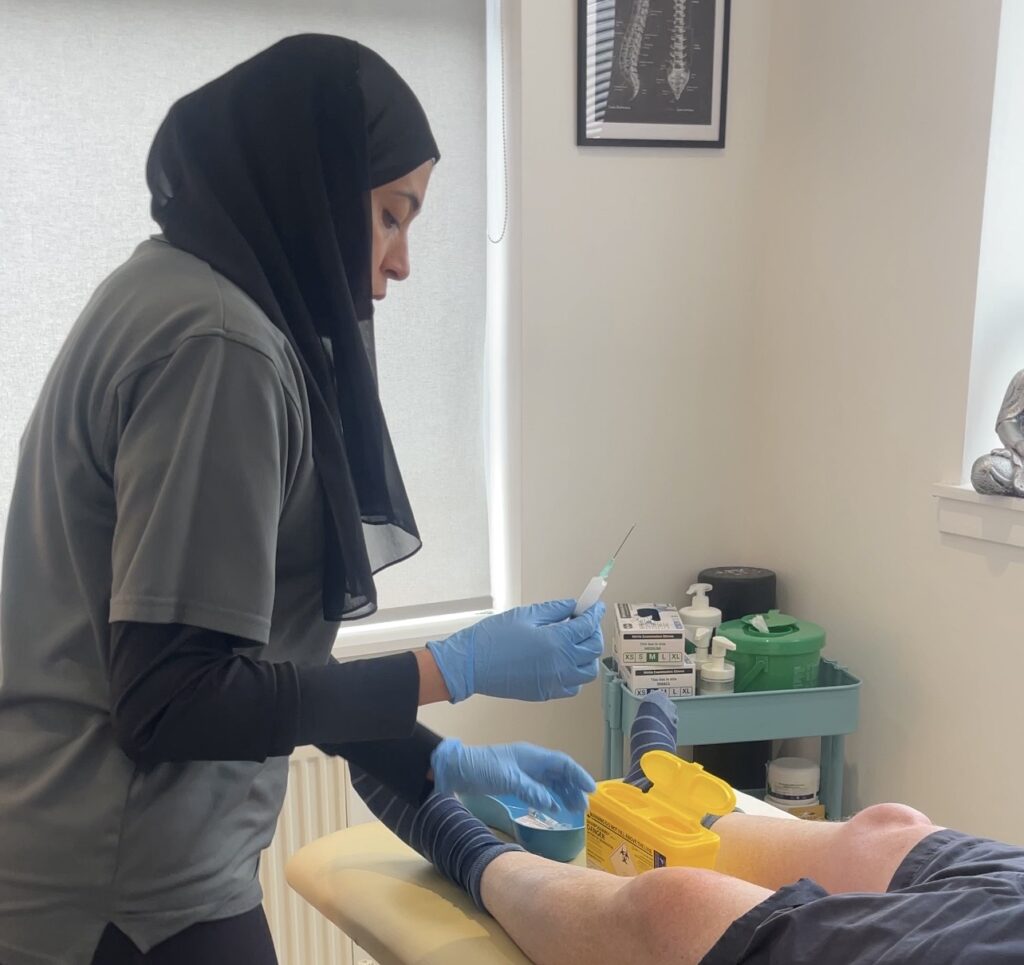
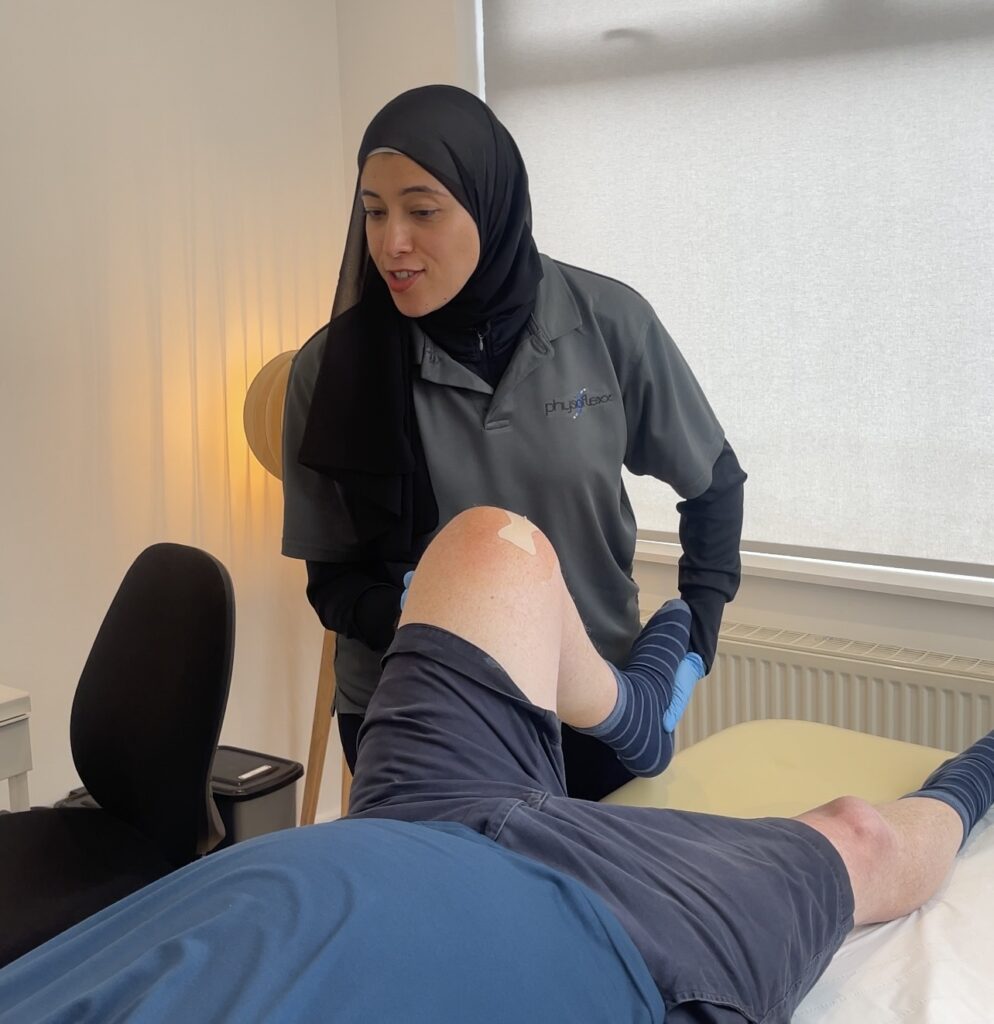
Every cortisone and hyaluronic acid injection administered at Physioflexx is paired with a structured rehabilitation plan from the outset, rather than delivered as a standalone procedure.
The reasoning is straightforward. The period of reduced pain after an injection is typically the most effective time to retrain movement and rebuild strength, because tissue can tolerate loading that would otherwise be too painful. Attempting to strengthen a joint while it's highly symptomatic is slow and often counterproductive. Doing so once pain has settled is significantly more effective and that's precisely the window an injection provides.
The typical plan looks like this:
The injection reduces pain and inflammation, creating a period of improved function.
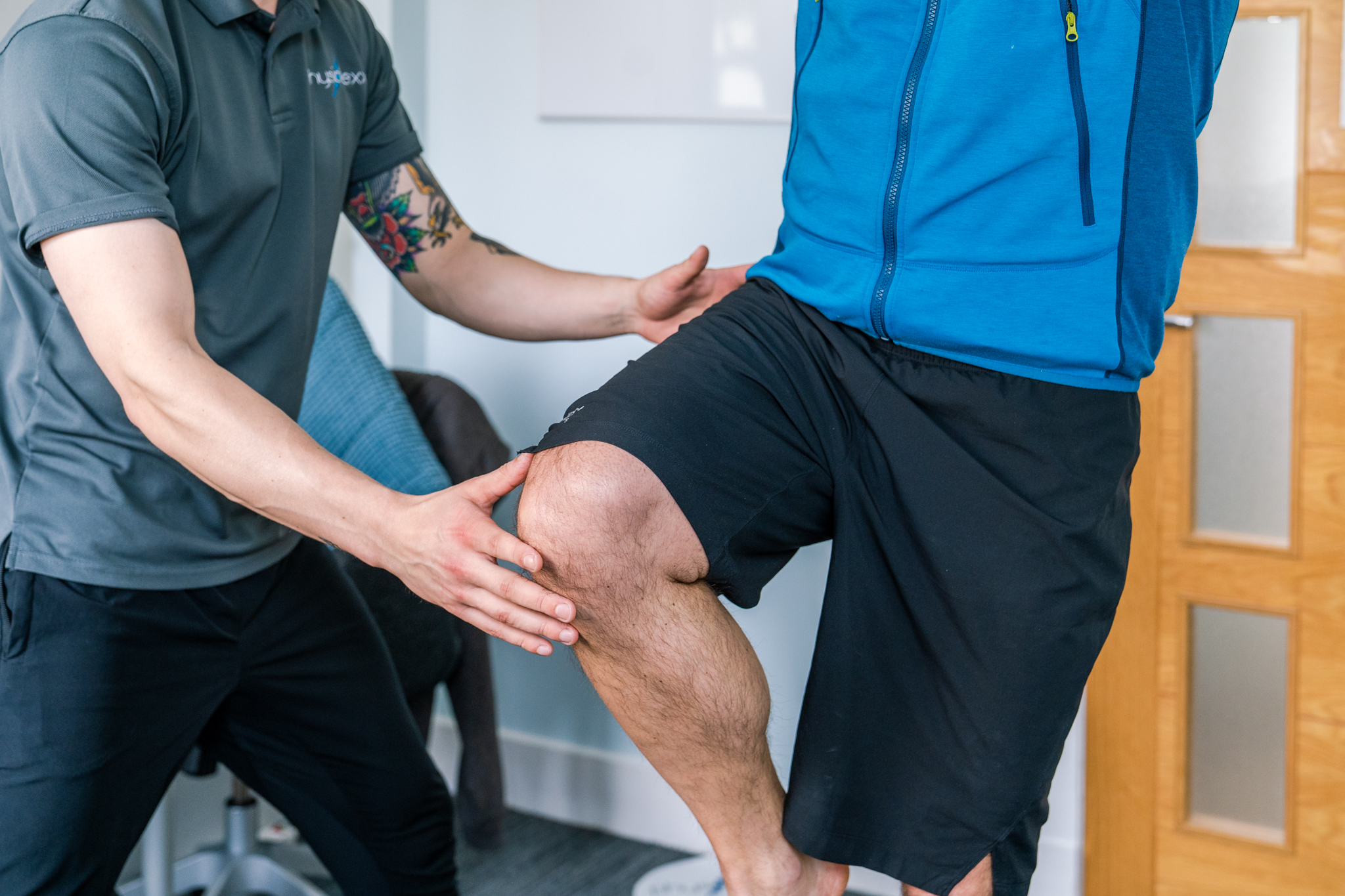
That period is used to assess and correct the movement pattern or muscle weakness contributing to the problem.
Strength and control are built progressively, so the joint or tissue can tolerate normal daily load independently of the injection's effects.
By the time the injection's effects naturally fade, the joint is in a stronger position to manage that load without it.
This is the distinction between an injection used as a one-off intervention and an injection used as part of a structured plan.
What this means for patients
If relief from a previous injection didn't last, it typically indicates that the rehabilitation component of treatment didn't take place, not that the injection itself was ineffective. This is a fixable gap.
For anyone considering an injection, it's worth asking what the plan is for the period afterward. An injection without a rehab plan is often a wasted opportunity, not because the injection doesn't work, but because the improvement it creates isn't used to address the underlying cause.
Injection therapy at Physioflexx
Corticosteroid and hyaluronic acid injections are available at our Prestwick and Stewarton clinics, administered by our certified injection therapy practitioner. Every injection is paired with a rehabilitation plan built around the patient's specific movement, strength, and functional goals.