Physio-Led Pilates in Ayrshire: What It Actually Means (And Why It's Safer for Beginners)
You've probably seen "physio-led" attached to a few Pilates classes near you, ours included. It's often used like a badge. We think it should be an explanation instead. So here's what it actually means.
Most people who put off trying Pilates aren't worried about looking silly. They're worried about doing something wrong, making an old injury worse, or not knowing what "correct" is even supposed to feel like. If that's you, keep reading.
A Pilates certification isn't the same as a physiotherapy degree
Most Pilates instructors complete a Pilates-specific training course. It teaches them to cue movement, run a class, and spot obvious form issues.
A physiotherapist's training is different. It's a full degree, usually several years, covering musculoskeletal assessment, injury rehab, and clinical reasoning. It's the same foundation used to diagnose and treat injuries, not just lead a class through a sequence.
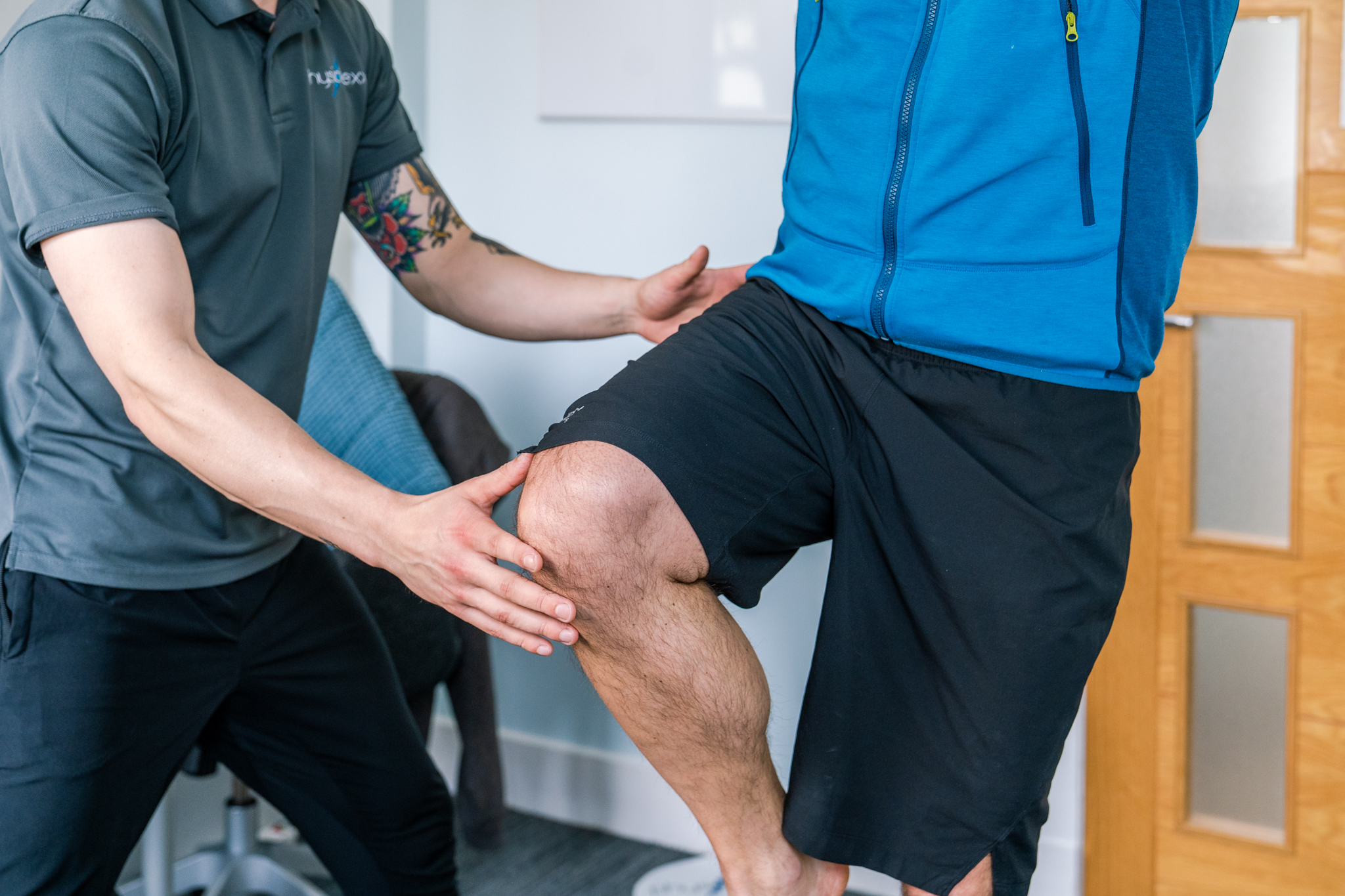
That means a physiotherapist can work out things like: why does this movement cause discomfort for this person specifically? Is that tightness safe to push through, or a sign to stop? Is this a strength issue, a mobility issue, or something that needs closer attention?
A Pilates certification teaches someone to run a good class. A physiotherapy degree teaches someone to understand a body. Physio-led Pilates means you get both.
Why this matters most if you're a beginner
You'd think clinical training matters most for advanced students doing harder moves. It's actually the opposite.
Someone who's practised Pilates for years knows what correct form feels like. They've done it thousands of times, so they notice when something's off.
A beginner doesn't have that reference point yet. You don't know what a properly stacked spine feels like versus a rounded one. You can't always tell if a pull in your hip is productive tightness or a sign to stop. In those first few weeks, you're relying entirely on your instructor to notice what you can't notice yet.
That's exactly the stage where getting it wrong has the highest stakes and where clinical judgement in the room matters most.
Questions to ask before you book any Pilates class
You don't have to take our word for it. Before joining a class anywhere, it's fair to ask:
Who's teaching this class, and what's their clinical background?
Is there any assessment or conversation about injuries before your first session?
How do they modify classes for people with pain, tightness, or old injuries?
If something doesn't feel right mid-class, who notices and what happens next?
If a studio can't answer clearly, that's worth knowing before you commit.
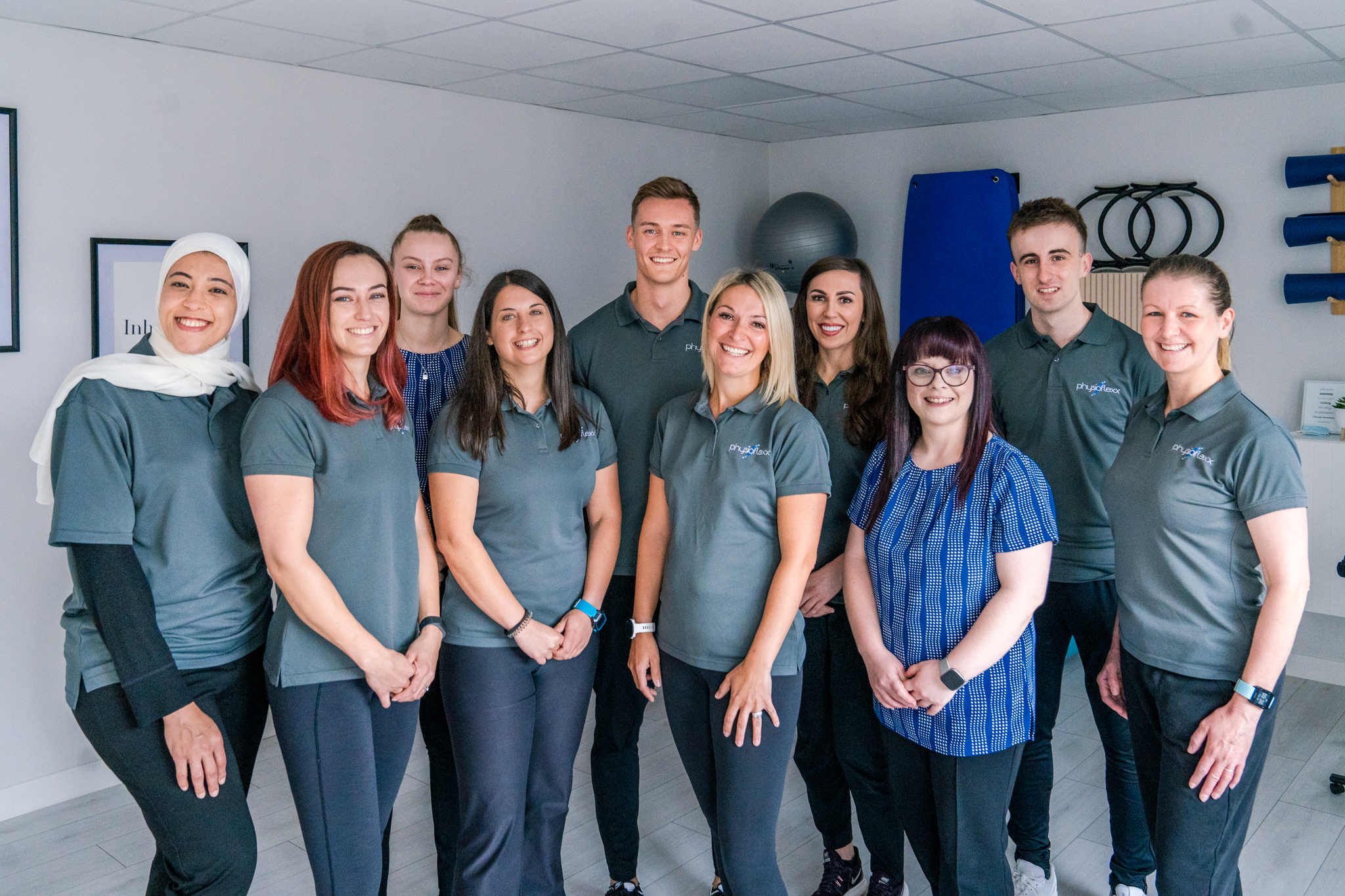
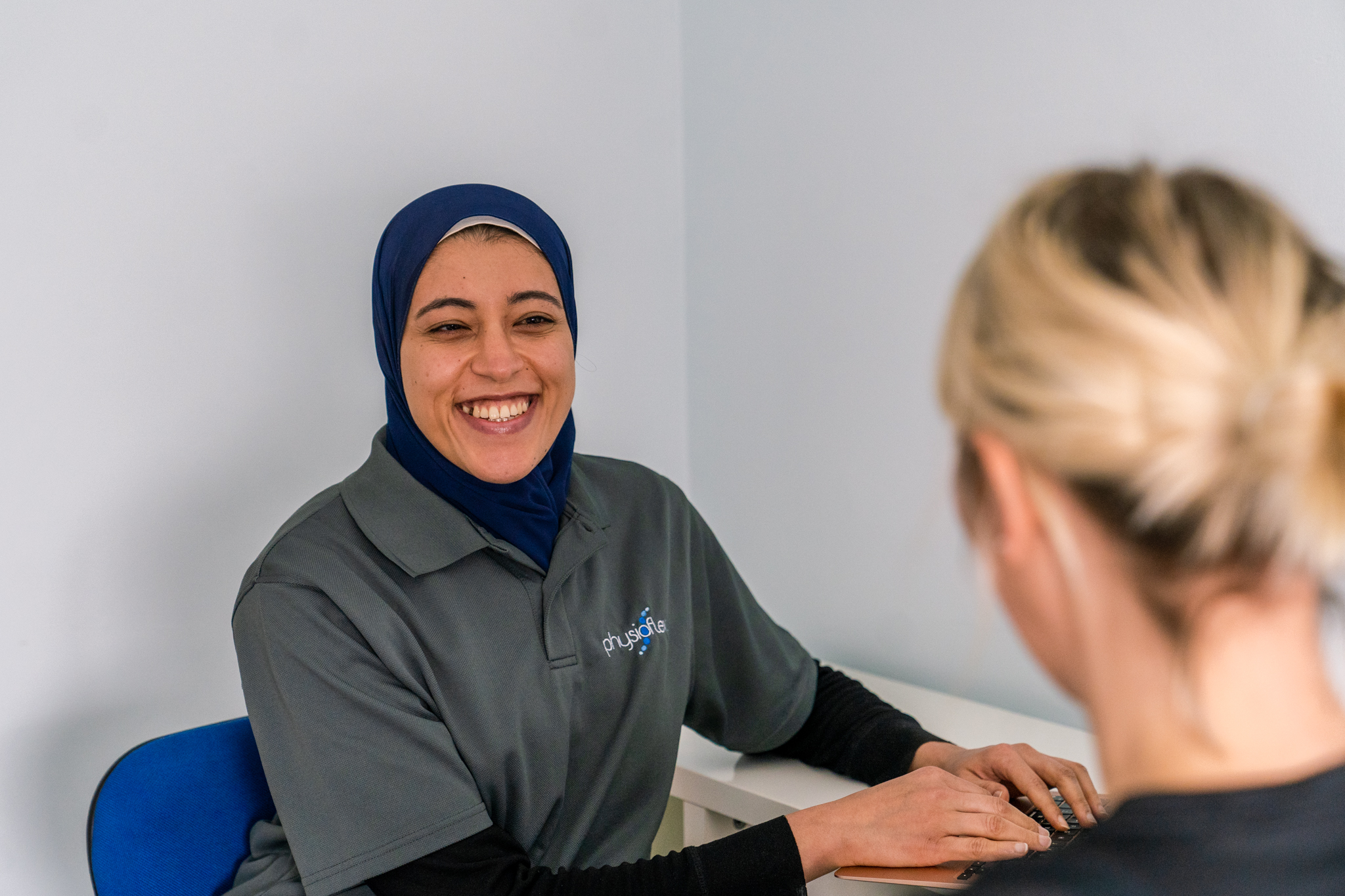
At Physioflexx, our Pilates classes are led by Chartered Physiotherapists registered with the Health & Care Professions Council. Assessment and modification aren't extras, they're what the class is built on.
Try a physio-led Pilates class in Stewarton or Prestwick
If you've held off on Pilates because you weren't sure it'd be safe for your body specifically, that's exactly the gap physio-led classes close.
We run beginner-friendly Pilates classes in Stewarton and Prestwick, led by physiotherapists who understand not just the exercise, but you.